Fork Machine Embroidery Design
A Practical Kitchen Staple for Your Next Handmade Collection
As an embroidery seller who’s launched over 200 Etsy listings—and shipped thousands of custom apparel and home goods—I approach every new Creative Fabrica embroidery design with two questions: Will it translate well across multiple products? and Will it resonate with real buyers browsing for thoughtful, giftable pieces? The Fork Machine Embroidery Design passes both tests. It’s not flashy or trend-dependent—it’s clean, classic, and quietly versatile. That’s exactly the kind of machine embroidery design that builds repeat customers and supports consistent small-batch production.
What This Design Feels Like—And Why That Matters
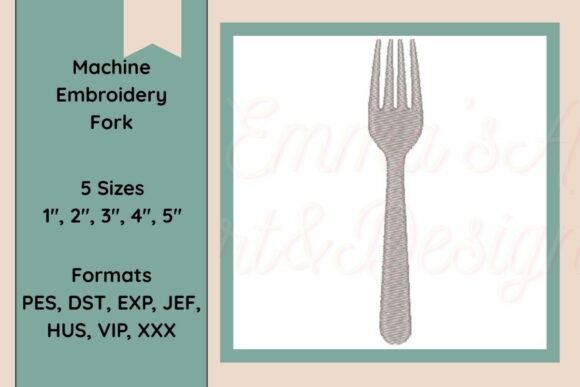
This isn’t a cartoonish fork or a novelty food pun. It reads as minimal, elegant, and timeless—more “artisan kitchen brand” than “kitchen-themed party favor.” Think linen aprons sold in boutique gift shops, monogrammed baby blankets for new parents who love cooking, or neutral-toned tote bags styled on Instagram with ceramic mugs and fresh herbs. It leans into classic and premium, not playful or seasonal. That makes it unusually flexible: it works year-round, fits into neutral palettes, and avoids dating your inventory.
Where Fork Machine Embroidery Design Shines on Real Products
I tested this design conceptually across eight product types I regularly list—and each one felt commercially sound:
- Tote bag design: Centered on natural canvas or oatmeal cotton, it reads as intentional and elevated—not like a generic promo item.
- Kitchen towel embroidery: Paired with simple hemstitching and matching thread, it enhances perceived value without competing with texture.
- Embroidered patch: Clean lines hold up beautifully when cut and heat-applied to denim jackets or chef coats.
- Sweatshirt embroidery: Small-scale placement (left chest or sleeve) adds subtle personality—ideal for foodie influencers or culinary school grads.
- Baby embroidery: On a cream gauze blanket or organic cotton onesie, it feels tender and meaningful—not kitschy.
- Personalized gift: Combine with a monogram or short phrase (“Our First Dinner,” “Made With Love”) for wedding or housewarming gifts.
- Apron and pillow cover: Works equally well on structured twill or soft linen—no redesign needed.
- Caps and patches: Scales cleanly down to 2.5” without losing legibility, making it viable for embroidered caps or iron-ons.
How It Supports Your Craft Business Beyond Stitching
The Fork Machine Embroidery Design strengthens your entire selling workflow—not just the final stitch-out. Its simplicity makes it ideal for printable mockups: you can generate clean, consistent lifestyle previews for Etsy listings without hiring a photographer every time. It photographs well on real fabric—especially against matte, natural backdrops—so your product photography stays cohesive and scroll-stopping. For social media previews, it pairs effortlessly with flat lays of wooden spoons, dried lavender, or ceramic bowls—no styling overkill required.
It also supports seasonal collections without forcing seasonality: use it in spring for “farm-to-table” branding, in fall for “harvest kitchen” bundles, or year-round as part of a “thoughtful home” series. And because it’s inherently giftable, it helps position your handmade product as more than craft—it becomes a curated gesture.
Buyer-Focused Value You Can’t Fake
Online shoppers scan fast. This design delivers immediate clarity: it says “kitchen,” “care,” and “craft” in under two seconds. That builds trust before the buyer even reads your description. It feels professional (not handmade-in-a-rush), memorable (distinctive but not loud), and giftable (appropriate for weddings, hostess gifts, teacher appreciation). Most importantly? It doesn’t require explanation—no tooltip, no backstory. That reduces bounce rate and increases conversion.
Essential Seller Notes Before You List
Even simple designs need smart prep. Here’s what I do before adding any Creative Fabrica embroidery to my shop:
- Test the embroidery file on your actual machine—don’t assume compatibility. Run a sample stitch-out using your go-to stabilizer and thread colors.
- Photograph it on real fabric—not just a digital preview. Lighting, texture, and drape change how minimal designs read.
- Compare thread color options. A single-fork motif shines in tonal stitching (e.g., charcoal on black twill) or quiet contrast (ecru on navy).
- Check readability at thumbnail size. Zoom out to 25%—does the fork still read clearly on your Etsy listing grid?
- Review stitch density. Overly dense fills can cause puckering on lightweight fabrics like tea towels or baby gauze.
- Confirm hoop size. If it requires a 5x7 or larger, factor that into your production flow—especially for high-volume items like patches or totes.
- Verify Creative Fabrica licensing for commercial embroidery. Their terms vary by designer—always check before selling finished goods.
Since the product description mentions it’s “simple,” expect moderate stitch count—but don’t guess. Always confirm exact file formats, recommended fabric types, and any included variations (left/right, outline only, filled) directly on the Creative Fabrica product page.
Final Thought: Less Is More—Especially in Your Product Line
In a marketplace flooded with busy, overdesigned embroidery files, the Fork Machine Embroidery Design stands out by doing less—and doing it well. It’s the kind of digital embroidery file that lets your materials, craftsmanship, and storytelling take center stage. For Etsy sellers building a recognizable brand, for craft businesses curating cohesive collections, and for creative entrepreneurs who value longevity over virality—this is a quiet keeper. Add it to your cart, test it thoughtfully, and let its classic calm do the work.